
In January 2026, we carried out an overseas education project in Bali, Indonesia as part of the FY2025 SFT Action Plus (Second Round) adopted programme.
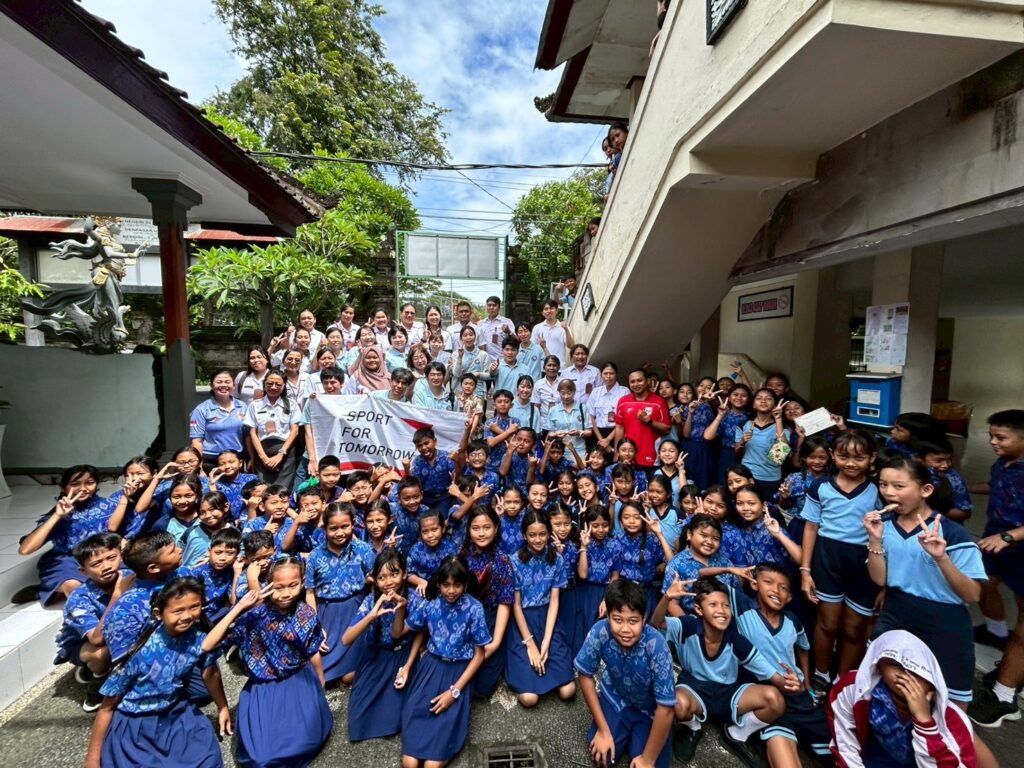
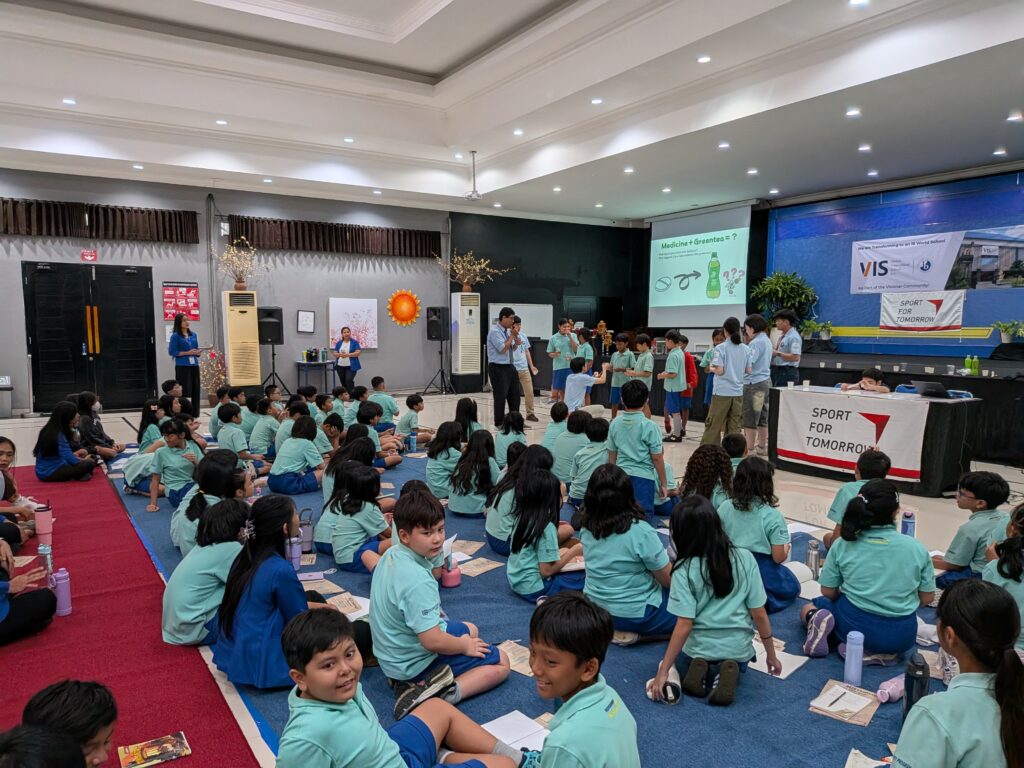
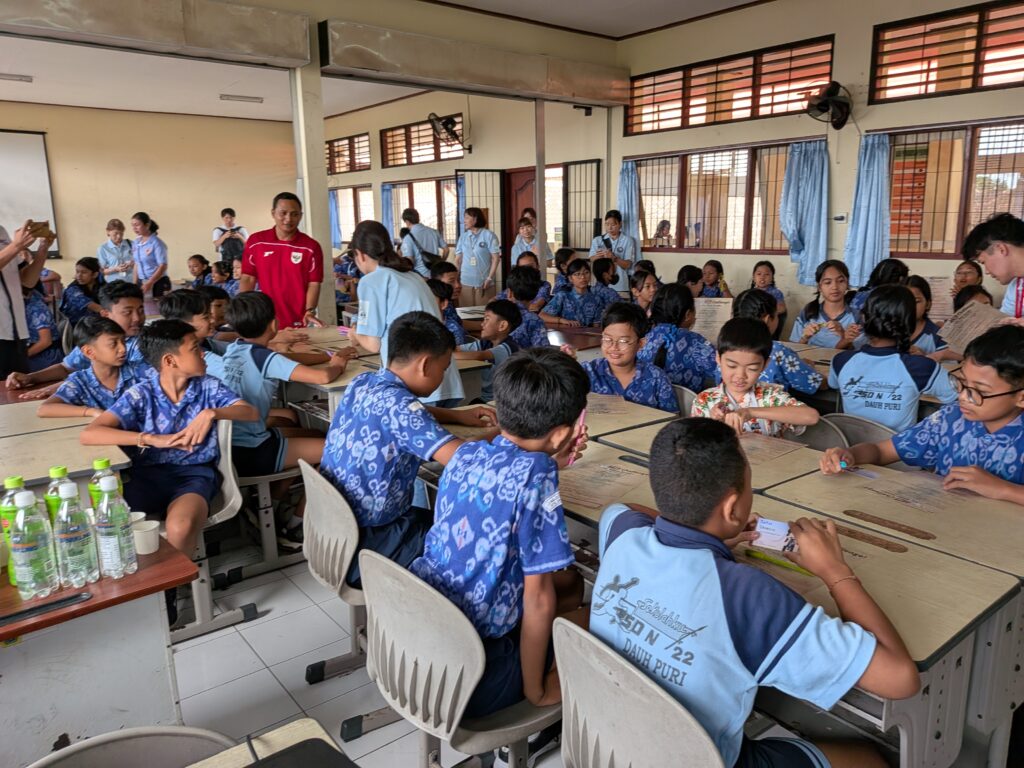
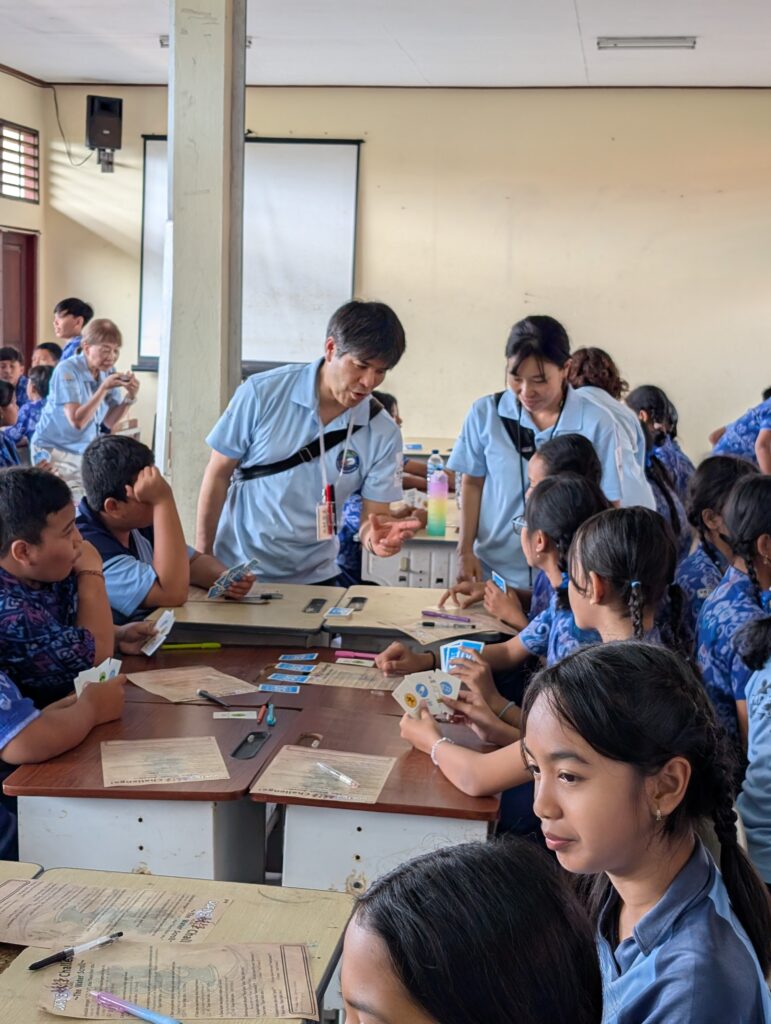
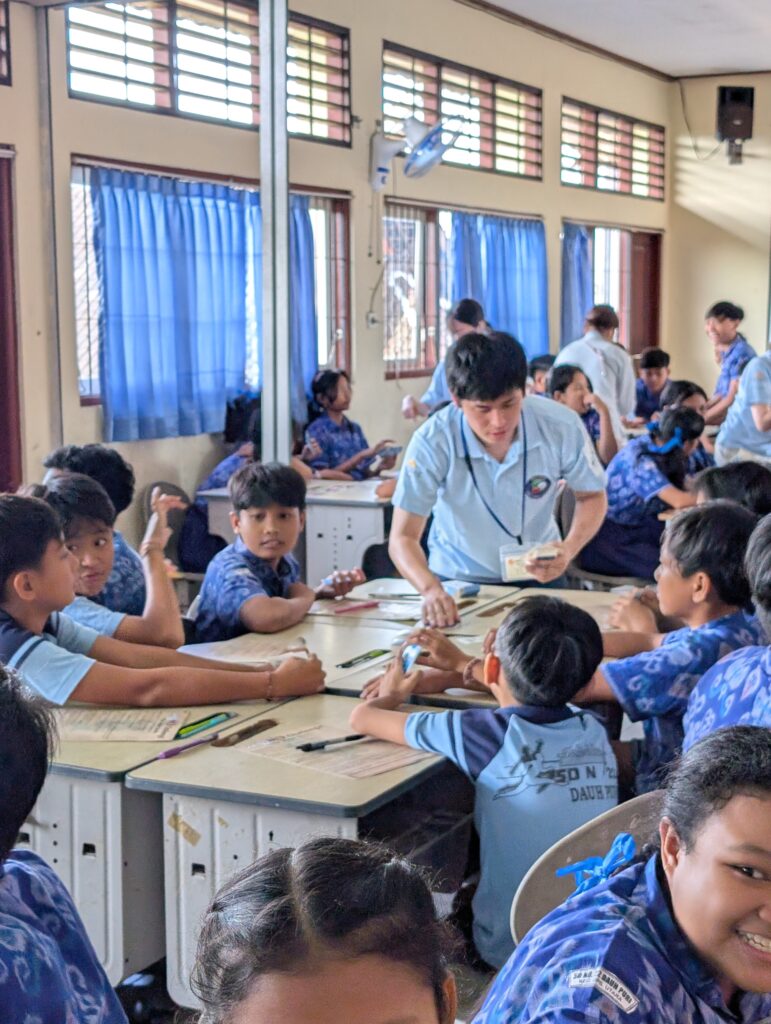
We delivered an experiential medicines education programme for children at two elementary schools: the private school High Scope Bali and the public school SDN 22 Dauh Puri. The programme combined a mini-lecture, hands-on experiments, and a Doping Guardian (DG) game session.
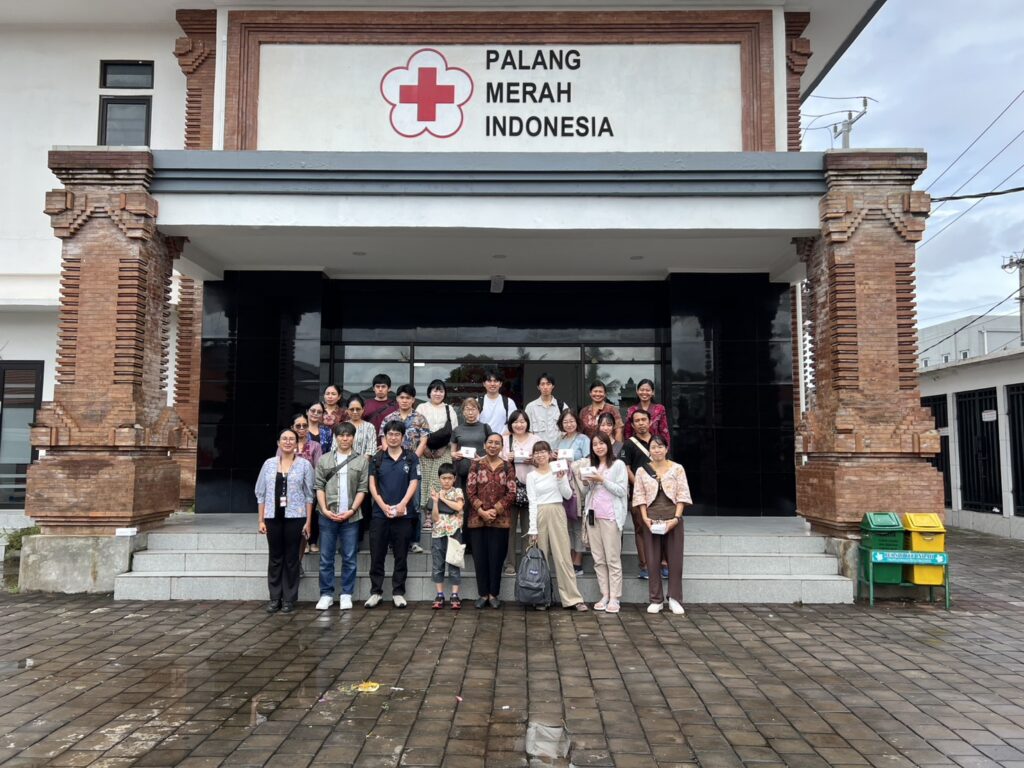
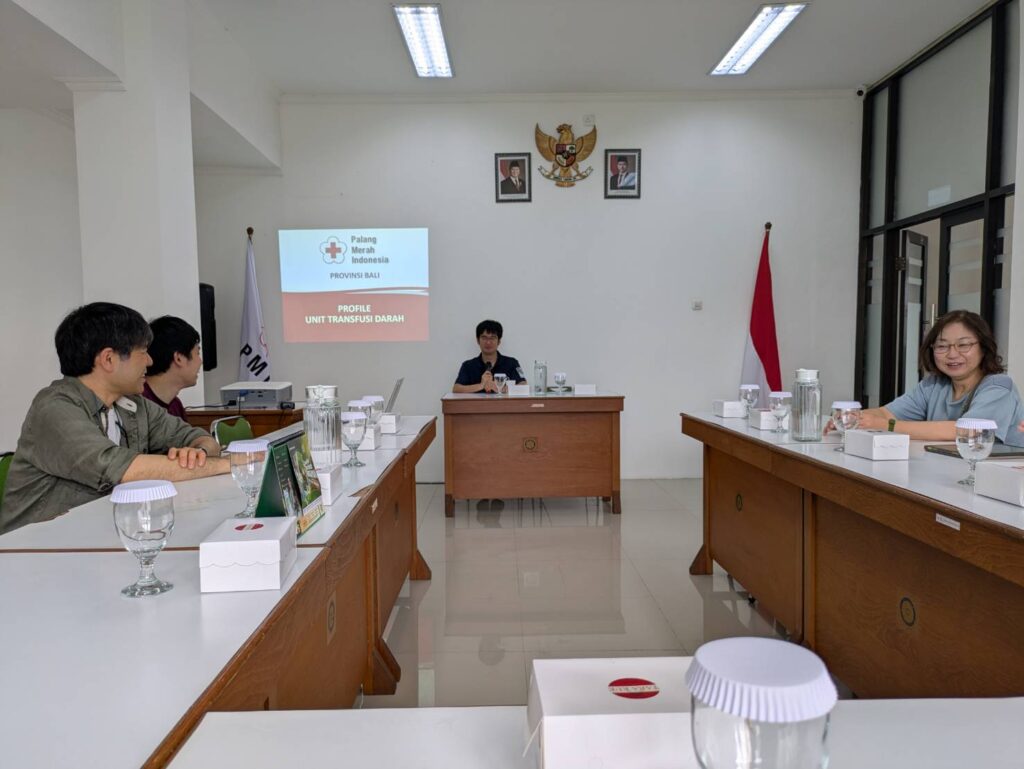
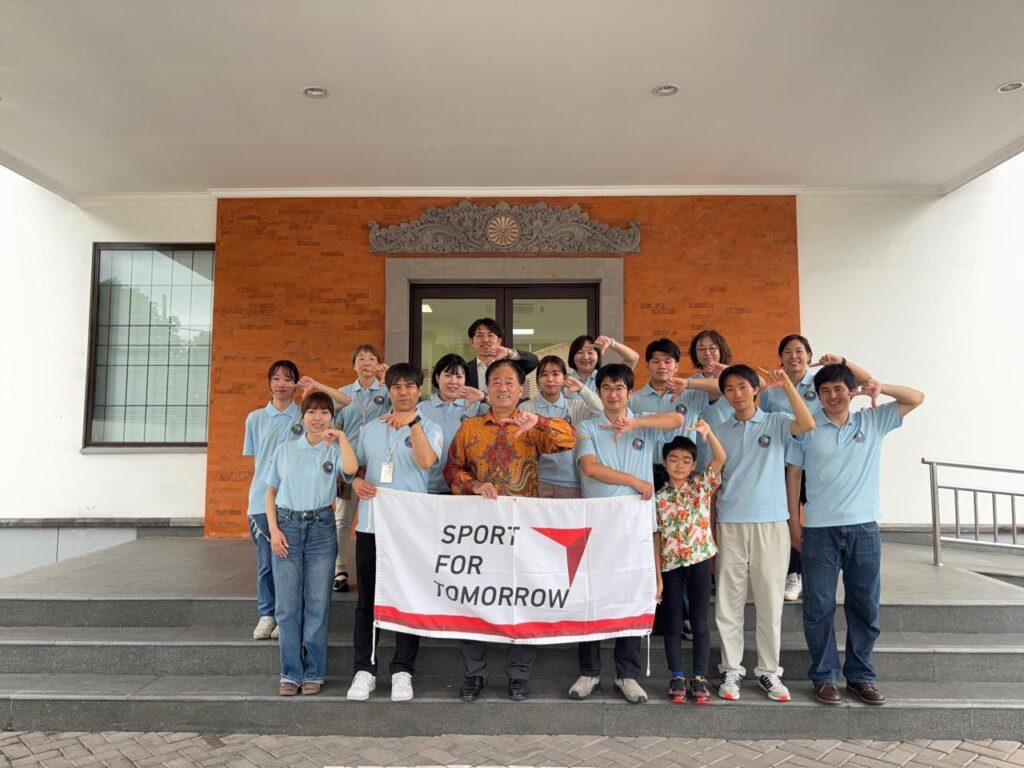
In addition to the school sessions, we also visited PMI Provinsi Bali (Indonesian Red Cross, Bali Province) for an observation tour and exchange of views with its disaster management division. We further had the opportunity to report on the project and exchange opinions with the Consul-General at the Consulate-General of Japan in Denpasar.
This programme was designed with pre-tests and post-tests to examine its educational impact. The organisation and evaluation of the results are being handled by the School of Pharmaceutical Sciences, University of Shizuoka, and the findings will be used to further refine the teaching materials and programme delivery.
Overview of the Activities
- 19 January: Experiential medicines education class at High Scope Bali
- 20 January: Visit to PMI Provinsi Bali for observation and discussion on disaster response
- 22 January: Experiential medicines education class at SDN 22 Dauh Puri
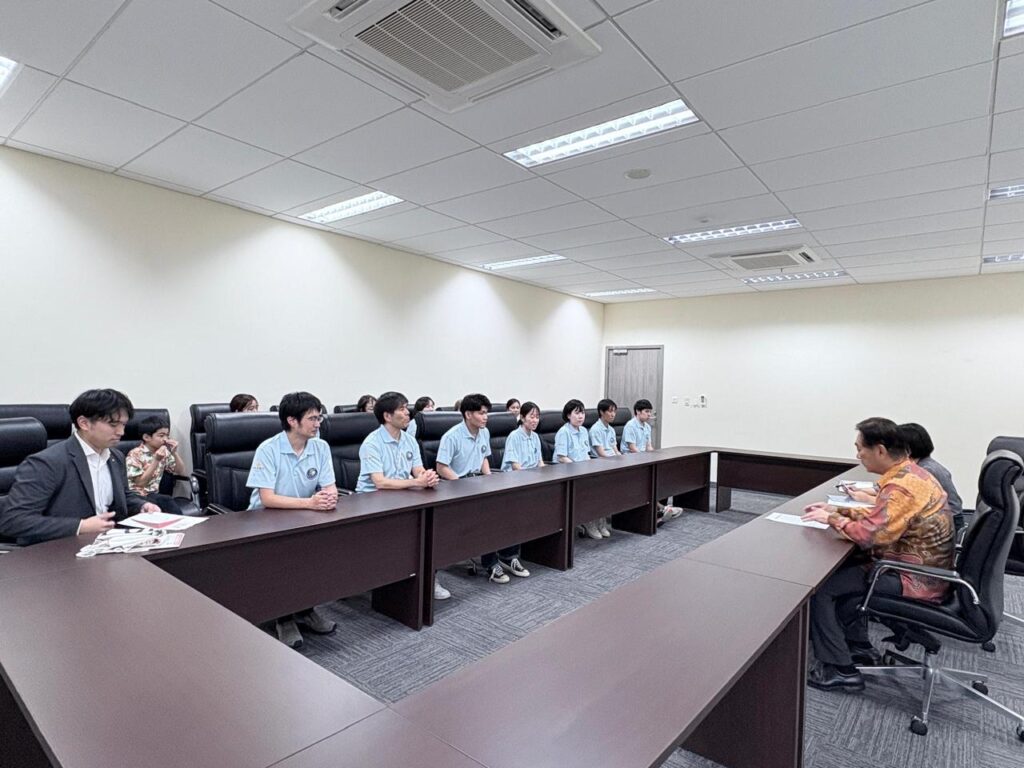
- 22 January: Project briefing and exchange of views at the Consulate-General of Japan in Denpasar
One of the aims of this project was to test whether the same programme framework could be implemented effectively in two different educational settings: a private school and a public school.
What We Are Working on Through the SFT Action Plus Project
This project is not simply about delivering a one-off lesson at an overseas school. Our aim is to develop, implement, verify, and improve a programme that can actually be used in school settings.
Children make health-related choices in daily life involving medicines, supplements, and beverages. At the same time, risky behaviours such as changing dosage by self-judgement, using family members’ medicines, or misunderstanding how medicines should be taken can directly affect health.
This is where we see a connection with the issue of inadvertent doping in anti-doping education. Both athletes and children may make unsafe choices not because they intend harm, but because they do not have enough support to make the right decision in the moment. What matters is not only knowledge itself, but also how learning is designed so that it leads to correct judgement in everyday life.
Based on the framework we usually use in anti-doping education for athletes, we adapted the content into an experiential programme suitable for children’s education on the appropriate use of medicines. The programme is grounded in the values of sport, such as rules, fairness, and self-management, and is structured to help children learn correct medicine use as behaviour, not just as information.
This was not a brand-new programme created only for Indonesia. It is the same framework that we have been continuously testing and improving in Japan. By implementing it in overseas school settings with different languages, cultures, and classroom conditions, we were able to examine its adaptability and reproducibility in practice.
Support from the University of Shizuoka and Pharmacy Students
This programme was made possible through the cooperation of the School of Pharmaceutical Sciences, University of Shizuoka.
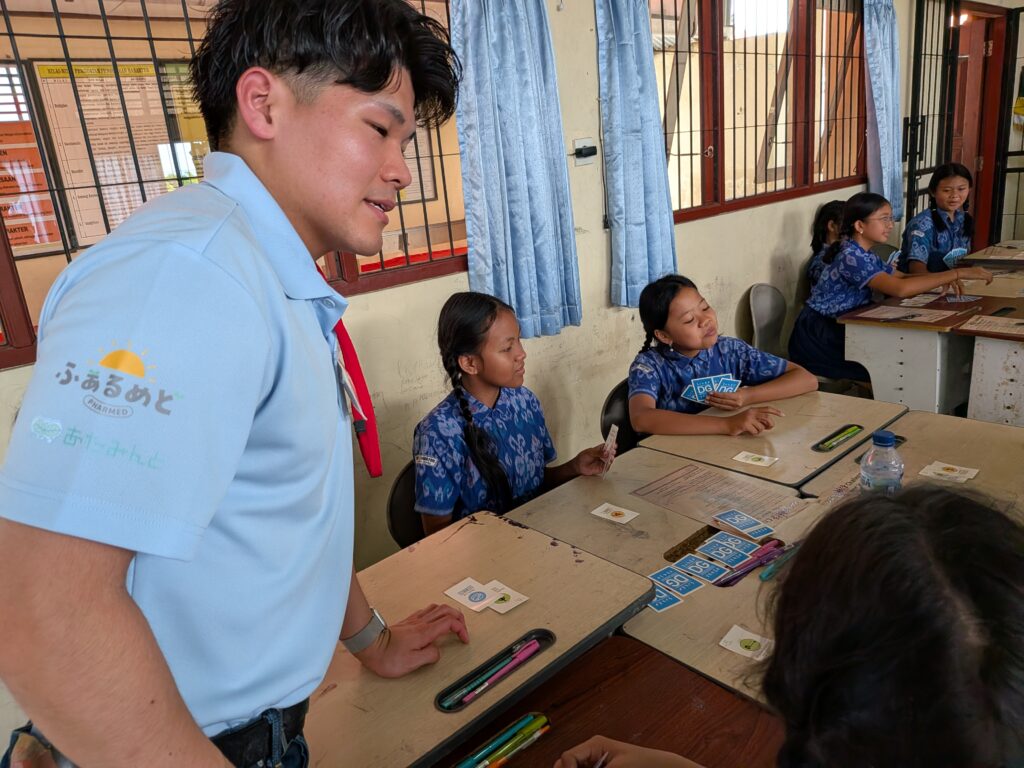
The pharmacy students who joined us on site played important roles in many parts of the programme, including preparation, setting up experiments, facilitating DG sessions, and communicating with the children.
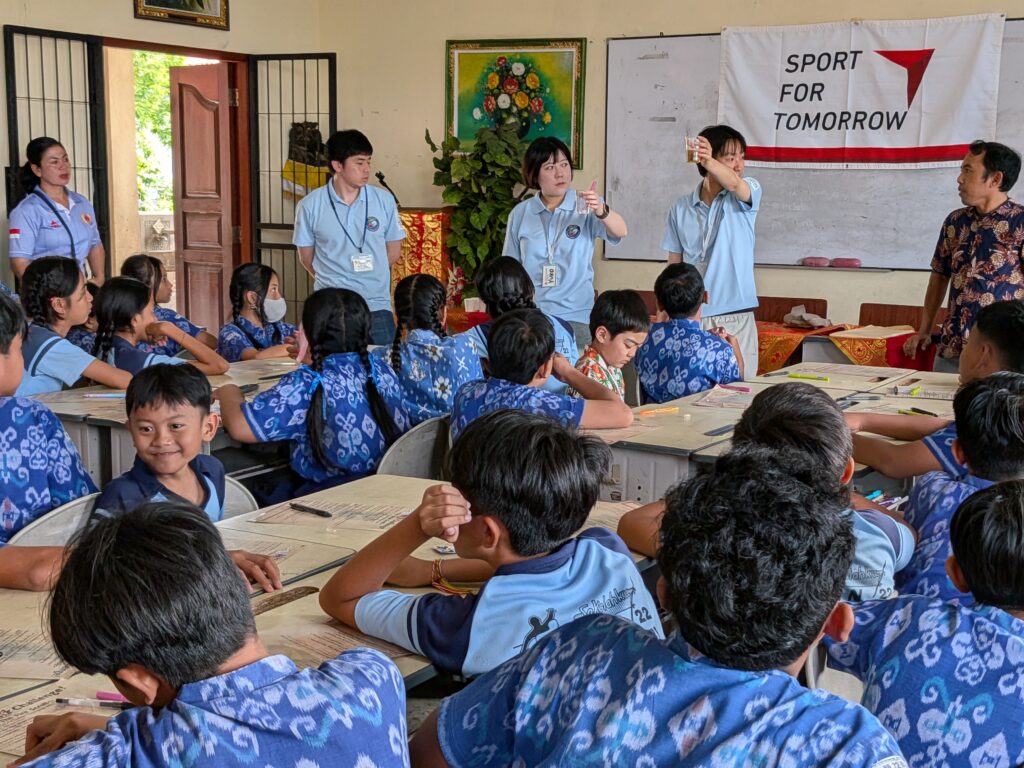
Unexpected things happen all the time in overseas settings. Even when things do not go exactly as planned, the students responded flexibly, took initiative, and helped create a positive learning environment. Even when language was a barrier, they worked to connect with the children through observation, expression, and interaction.
For pharmacy students as well, this was a valuable opportunity to gain practical experience in school-based education and international fieldwork—something that cannot easily be gained through classroom study alone.
Contents of the Experiential Medicines Education Class
1. Mini-Lecture
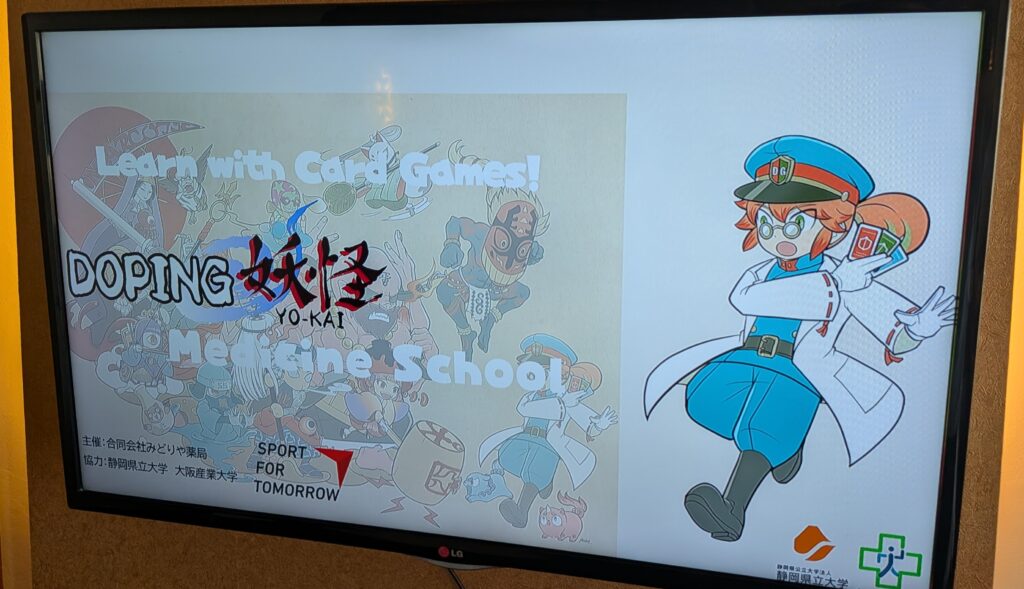
We began with a short lecture focusing on points that children may easily misunderstand in daily life:
- Medicines are not the same for everyone; they differ depending on age, condition, and situation
- You should not increase or decrease the dose on your own
- You should not use someone else’s medicine, even that of a family member
- The effects of medicines can vary depending on how they are taken and what they are taken with
Use of Doping Yokai in the Lecture and Video Section
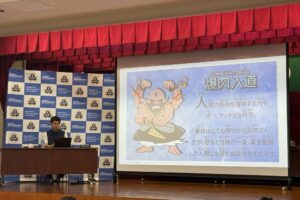
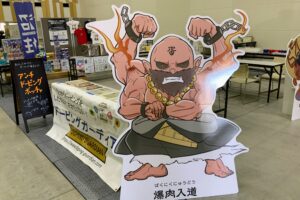
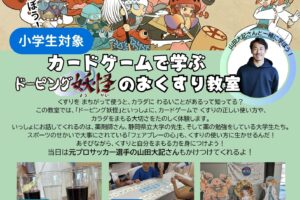
Throughout the lecture section, we incorporated Doping Yokai, our original character-based educational content. We use entertainment elements to make the theme of sport and pharmacy more accessible and engaging for children.
We also included an Indonesian-language overdose awareness video featuring Doping Yokai. In environments where language and comprehension barriers exist, animated videos can serve as an effective entry point for learning.
In fact, the children responded very positively. We could clearly see that the video changed their expressions and reactions, and it helped them focus more strongly on the lecture and hands-on sections that followed.
Our aim is for Doping Yokai to become more than just a character-based teaching tool. We hope to develop it into a Japanese-born educational IP that connects sport with the appropriate use of medicines.
2. Experiments: Understanding Through Observation
Hands-on experiments are especially powerful when language barriers are present. When children can actually see a change happen, understanding becomes faster and more intuitive.
In this programme, we focused on activities that could be understood through experience, including:
- the properties of capsules,
- the relationship between beverages and medicines,
- and visible changes in tablets, such as effervescence.
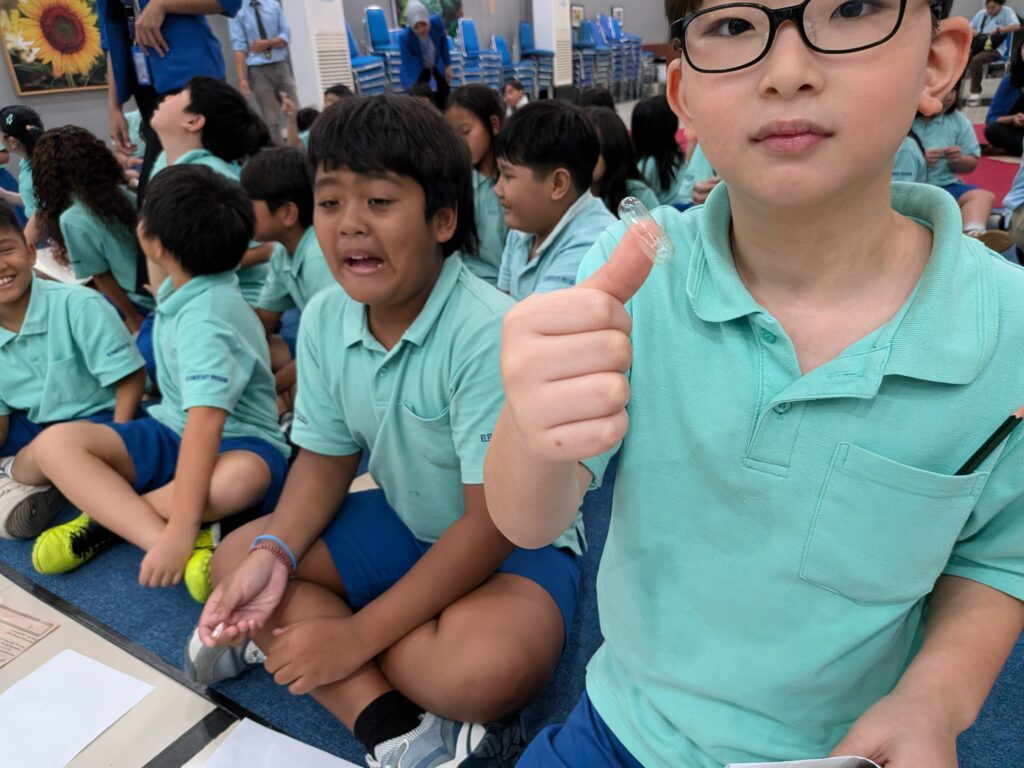
3. DG (Doping Guardian) Experience
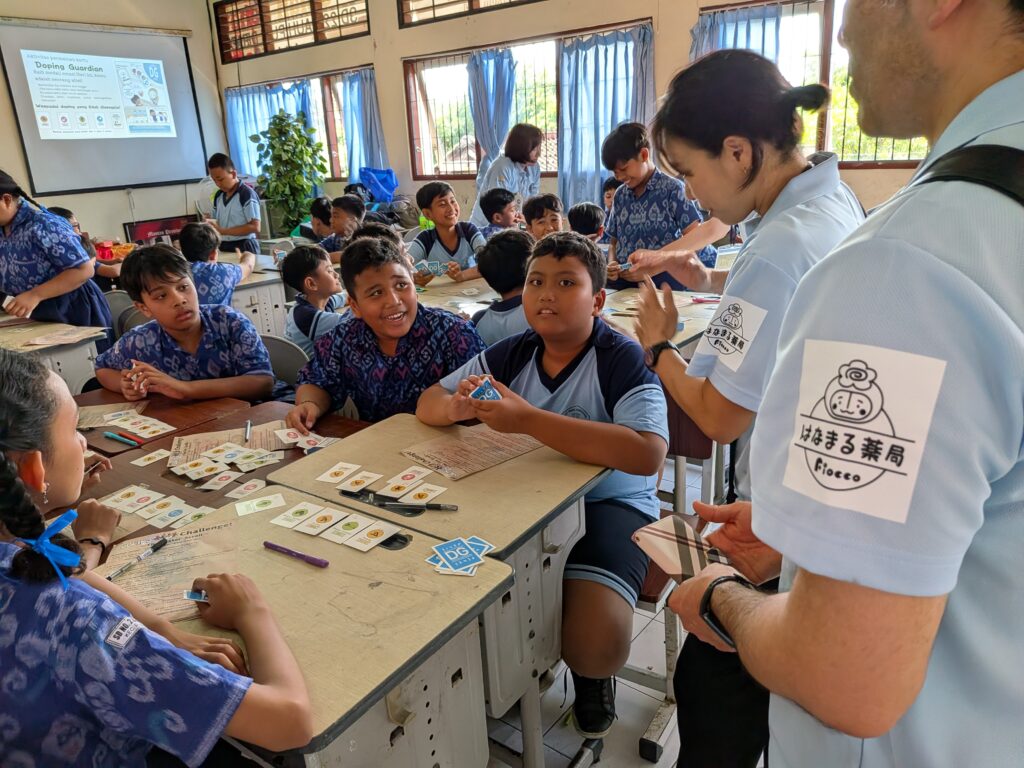
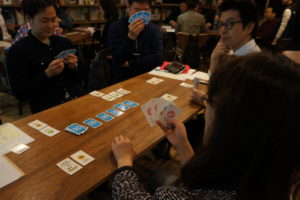
Doping Guardian (DG) is a Japanese educational card game created by a sports pharmacist. Although it is based on the theme of anti-doping, its learning value extends beyond sport. Players are placed in situations where they must think about medicines, supplements, symptoms, and choices in everyday life. By discussing what action to take in each situation, they learn the importance of not making decisions casually, of checking information carefully, and of asking for help when necessary.
DG is not a game designed simply to produce the “correct answer.” Rather, it is a tool that creates time and space for participants to make a judgement within a situation and explain the reason for their choice.
When children gather around the cards, conversation naturally begins. Even if language is not perfect, interaction starts to take shape, and discussions about medicines and health begin to move from abstract knowledge to personal decision-making.
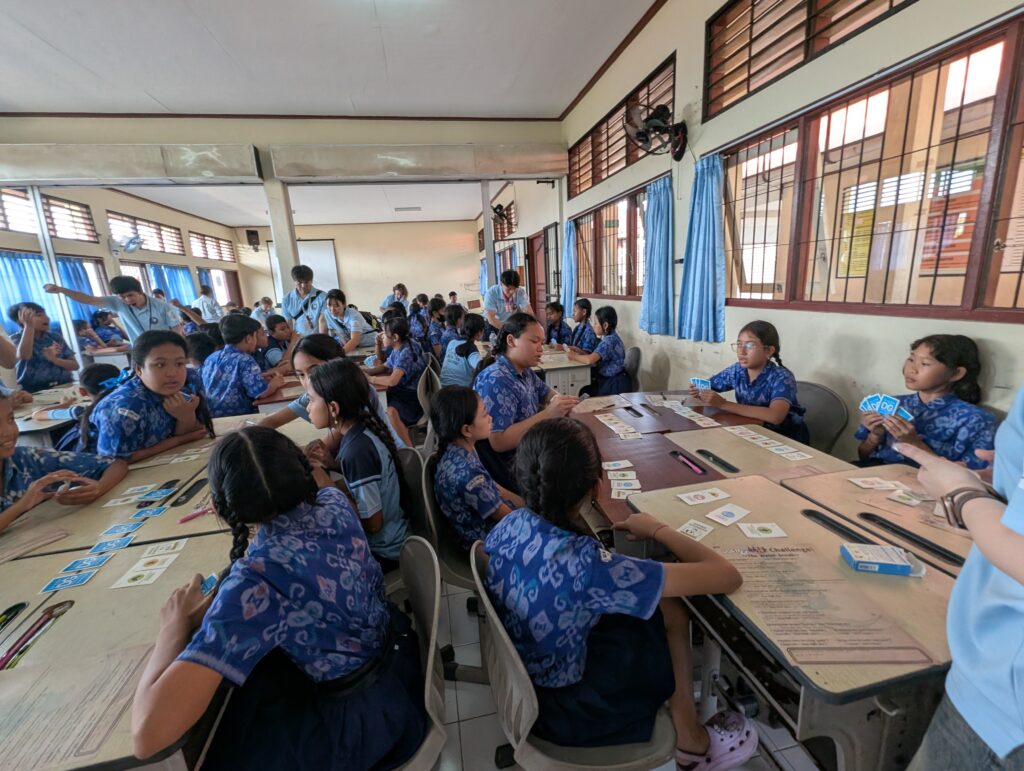
4. Reflection
At the end of the class, we briefly reviewed the key points and connected them back to everyday life.
Our intention was not to end with “Now they know,” but to help children think about what they would actually do when they face a similar situation in real life.
The Language Barrier: Difficulty and Fulfilment
Every time we teach overseas, we are reminded how challenging language barriers can be. Even with interpretation, nuance can be lost, and the points we want to communicate are not always conveyed exactly as intended.
That is why this programme placed experience at the centre. There are moments when understanding is created the instant a visible change occurs in an experiment. There are moments when, once DG begins, conversation starts moving even if words are limited.
And when the children come up smiling after the class, that sense of fulfilment is something that can only be experienced on site.
Evaluating Educational Impact: Pre-Test and Post-Test
We conducted pre-tests and post-tests before and after the classes in order to examine changes in understanding as an indicator of educational impact.
The collection, organisation, and analysis of the results are being handled by the School of Pharmaceutical Sciences, University of Shizuoka. The findings will be reflected in improvements to the teaching materials, programme flow, and ways of expression. We will share the analysis separately once the results have been fully organised.
Visit to PMI Provinsi Bali
During this trip, we visited PMI Provinsi Bali (Indonesian Red Cross, Bali Province), where we received an explanation of the current disaster response structure and exchanged views with local staff.
This visit was separate from the medicines education programme itself. However, as I am also involved in Japan as a disaster pharmaceutical coordinator in Shizuoka Prefecture, I wanted to use this opportunity to learn about local disaster response systems and operational realities in Bali.
We were given concrete explanations about what kinds of materials and systems are prepared for emergencies, what operational challenges exist, and how preparedness is maintained during normal times. It was also memorable to hear that some equipment provided from Japan was considered genuinely helpful by local staff.
Alongside the educational activities, being able to observe local systems that support community safety and health was also an important learning experience for me personally.
Project Report at the Consulate-General of Japan in Denpasar
On 22 January, we met with the Consul-General at the Consulate-General of Japan in Denpasar and reported on the project while exchanging views.
In the report, we shared the positioning of this initiative as an adopted programme under the FY2025 SFT Action Plus (Second Round), the contents of the classes delivered at the two schools (lecture, experiments, and DG session), and the framework for evaluating educational impact through pre-tests and post-tests, with evaluation undertaken by the School of Pharmaceutical Sciences, University of Shizuoka.
The discussion also provided useful perspectives for thinking about future development.
Acknowledgements
We would like to express our sincere gratitude to everyone who supported the implementation of this project.
We are deeply thankful to the schools that welcomed us, the local partners who worked with us on site, PMI Provinsi Bali, and the Consulate-General of Japan in Denpasar.
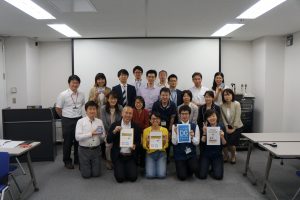
We also thank the faculty members of the School of Pharmaceutical Sciences, University of Shizuoka, as well as the pharmacy students who worked together with us locally. From preparation to delivery, every effort contributed to making this project possible.
We were also greatly supported on site by sports pharmacists from Doping Zero Association, whose assistance in both practical support and on-the-spot decision-making was invaluable.
For coordination in Japan leading up to the programme, we would like to thank Mr Tanimoto of Osaka Sangyo University for his extensive support.
For local coordination and operation in Bali, we would also like to thank Mr Tomimoto of PT. Rita Partners Indonesia, who helped make the implementation possible.
This project took shape thanks to the support of everyone involved.
To Everyone Who Supported Us Through Crowdfunding
This challenge was made possible by the people who supported us through crowdfunding. We sincerely appreciate your encouragement.
Your support became a major force behind local implementation, preparation of teaching materials, and overall project management.
The fact that the children participated so eagerly, and that we were able to create a meaningful learning environment despite language barriers, is something we feel we achieved together with all of you.
We will continue to share the progress and outcomes of this work as clearly as possible.
Looking Ahead
The findings gained from this implementation will also be fed back into our ongoing work in Japan, helping us further improve the quality of the educational programme.
Taking into account the results of the pre-tests and post-tests, we will continue refining the programme into a reproducible format and polishing it as practical teaching material that can be used in real educational settings.
We also hope to continue developing initiatives that connect sport and the appropriate use of medicines—including Doping Yokai—as a model originating from Japan.
Thank you very much for your continued support.

コメントを残す